

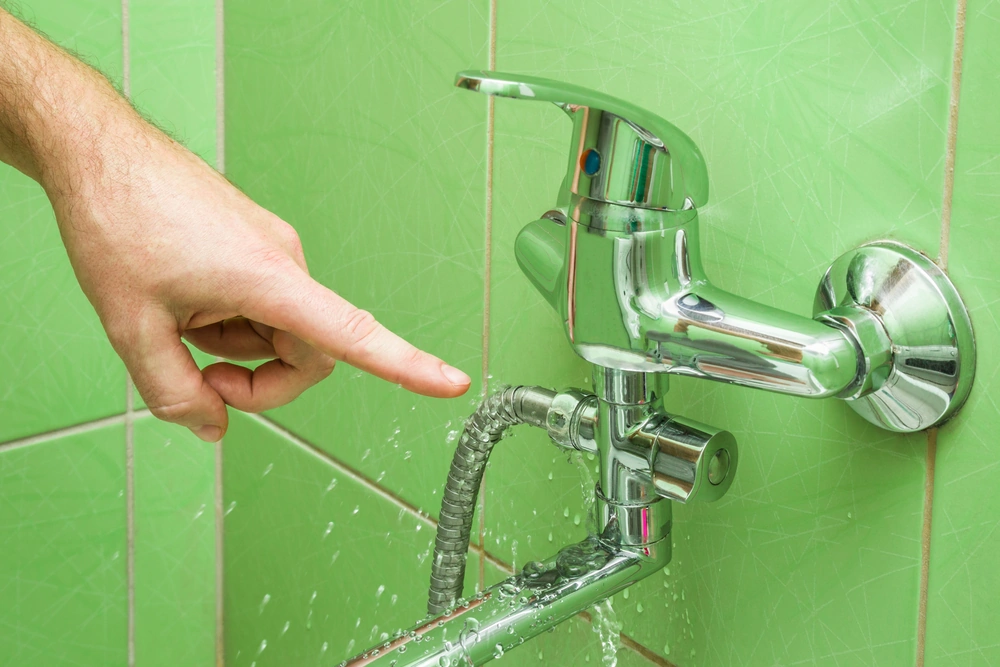
If you rent your home and your landlord has failed to fix damp, mould, leaks, broken heating or other problems after being told about them, you may be able to take legal action. A housing disrepair claim can make your landlord carry out the repairs and pay you compensation for the time you have had to live with them. Marley Solicitors acts for council, housing association and private tenants on a no win, no fee basis.
Most tenants who come to us have been reporting the same problems for months, sometimes years. They are tired of chasing, worried about their family’s health, and unsure whether they have any real power to get things done. You do, and we will tell you honestly in the first conversation how strong your case is.
 | Reviewed by Lesley Anne Delaney, Principal Solicitor and Director, Marley Solicitors Lesley was admitted as a solicitor in March 2008 and has practised in civil litigation ever since. She is a Director and Owner of Marley Solicitors Ltd, and serves as the firm’s Compliance Officer for Legal Practice (COLP) and Compliance Officer for Finance and Administration (COFA). SRA ID 422379 | Verify on the Law Society register | Marley Solicitors Ltd is authorised and regulated by the SRA (No. 648368) | Last reviewed: October 2026 |
What is housing disrepair?
Housing disrepair is where a rented home has fallen into poor condition because the landlord has not carried out repairs it is legally responsible for. Common examples include:
- Damp and mould – including rising and penetrating damp, and condensation caused by defects such as poor ventilation or failed windows
- Leaks and water damage – from roofs, gutters, pipes and plumbing
- Heating and hot water – broken boilers, faulty radiators and no hot water
- Electrical faults – unsafe wiring, sockets and lighting
- Structural problems – cracked walls, rotten floors, and damaged roofs and chimneys
- Windows and doors – broken, rotten or insecure frames, glass and locks
- Pest infestations – mice, rats and insects getting in through gaps and defects
- Kitchens and bathrooms – broken sanitary fittings, drainage and facilities that cannot be used
Am I eligible to make a housing disrepair claim?
You are likely to have a valid claim if:
- you rent your home from a council, housing association or private landlord
- the problem is one your landlord is responsible for repairing
- you reported it to your landlord, or they otherwise knew about it
- they did not fix it within a reasonable time
It does not matter whether you have a written tenancy agreement. Your landlord’s main repairing duties are set by law and apply whatever the tenancy agreement says.
Keep reporting problems in writing, by email, text, online portal or letter, and keep copies. A clear record of when you told your landlord is one of the most important pieces of evidence in any disrepair claim.
Your landlord’s legal duties
For most tenancies in England, your landlord’s obligations come from two places.
Section 11 of the Landlord and Tenant Act 1985. For tenancies of less than seven years, the landlord must keep in repair the structure and exterior of the home, including the roof, walls, windows, doors, drains and gutters, and keep in repair and proper working order the installations for water, gas, electricity, sanitation, heating and hot water.
Fitness for human habitation. Since March 2020, the Homes (Fitness for Human Habitation) Act 2018 has required landlords to make sure a home is fit to live in at the start of the tenancy and throughout it. This covers hazards such as serious damp and mould, excess cold, and dangerous electrics, even where the problem is not strictly a repair.
Awaab’s Law. Social landlords, meaning councils and housing associations, now have fixed legal deadlines for dealing with hazards. Since October 2025 they have had to:
- investigate and make safe emergency hazards within 24 hours
- investigate significant damp and mould hazards within 10 working days of becoming aware of them
- give you a written summary of what they found within 3 working days of the investigation
- start the work needed to make the home safe within 5 working days of the investigation, with a 12-week backstop for completing it
From 30 November 2026, these deadlines extend to a wider range of hazards, including excess cold and heat, falls, fire and electrical hazards. The law is named after Awaab Ishak, a two-year-old who died in 2020 from exposure to mould in his family’s social housing flat in Rochdale. The government has said Awaab’s Law will also be applied to private landlords, but has not yet confirmed a date.
This page explains the law in England. Tenants in Wales have similar rights under the Renting Homes (Wales) Act 2016, and we can advise on those too.
Housing disrepair in England – the current picture
The government’s English Housing Survey, published in January 2026, found that in 2024:
- 1.4 million homes in England, around 5%, had a damp problem, up from 2022
- 10% of privately rented homes and 7% of social rented homes had damp, compared with 4% of owner-occupied homes
- 4 million homes, around 15%, failed the Decent Homes Standard
The Housing Ombudsman’s annual complaints review for 2025-26, published in September 2026, shows how often social landlords fall short:
- repairs featured in 80% of the cases it investigated
- damp and mould made up 34% of repairs complaints, and leaks 23%
- it upheld more than 75% of complaints about both
In other words, renters are the people most likely to live with damp, and when tenants complain about it, they are usually right.
What a housing disrepair claim can achieve
A disrepair claim usually aims for two things at once.
Getting the repairs done. Under the court’s pre-action rules, your landlord must respond to a formal letter of claim and arrange an inspection. If your landlord still will not act, the court can order it to carry out the work. Where the disrepair is dangerous, we can ask the court for an urgent injunction.
Compensation. You can claim for:
- the distress and inconvenience of living with the disrepair, often calculated as a percentage of the rent for the period, depending on how badly it affected your home
- damaged belongings, such as furniture, carpets, clothing and bedding ruined by damp, mould or leaks
- extra costs, such as higher heating bills, dehumidifiers and redecorating
- any effect on your health, such as respiratory problems or asthma made worse by damp and mould, which may be valued as a personal injury claim alongside the disrepair
Compensation can usually cover the period from when your landlord knew about the problem, going back up to six years.
How to start a housing disrepair claim
- Free initial consultation. Tell us about the problems and how long you have been reporting them. There is no cost and no obligation to go further.
- We assess the claim. We give you an honest view of whether it is likely to succeed, and say so plainly if we think it is not.
- We gather the evidence. Your repair reports, photographs, receipts and any medical records.
- Letter of claim. We send your landlord a formal letter under the Pre-Action Protocol for Housing Conditions Claims. Your landlord has 20 working days to respond.
- Inspection. An independent surveyor usually inspects the property, often within the same 20 working days, and sets out what work is needed.
- Repairs and settlement. We negotiate a schedule of works and compensation. Most claims settle at this stage. Court proceedings are a last resort.
How long does a housing disrepair claim take?
Many claims resolve within six to twelve months, depending on how quickly the landlord responds and how much work is needed. Where the disrepair is urgent, or a landlord ignores the protocol, we can move to court proceedings sooner. We keep pressing for the repairs to be done during the claim, not just at the end.
Will I have to go to court?
Usually not. Most housing disrepair claims settle once the landlord has inspected the property and seen the evidence. Proceedings are sometimes needed where a landlord ignores the letter of claim or will not agree to carry out the work, and even then many cases settle before a hearing.
Can my landlord evict me for making a claim?
Making a disrepair claim is your legal right, and a landlord cannot lawfully evict you as a punishment for it. Council and housing association tenants usually have secure or assured tenancies, so a landlord needs a legal ground and a court order to end them. Since 1 May 2026, private landlords in England can no longer use “no-fault” section 21 evictions, and must also have a legal ground for possession.
If you are worried about how your landlord will react, tell us at the outset and we will explain where you stand before anything is sent.
Time limits for making a claim
For the disrepair itself, you can usually claim for up to six years of disrepair. Where the disrepair has affected your health, the personal injury part of the claim usually needs to be brought within three years of when you knew your illness was linked to the condition of your home.
Problems that are still continuing can be claimed for while they last, but compensation for the earliest years may be lost if you wait. It is best to act sooner rather than later.
No win, no fee explained
We handle housing disrepair claims under a conditional fee agreement. If your claim does not succeed, you pay us nothing. If it succeeds, a success fee is deducted from your compensation, capped as a percentage of your damages. We set out the cap, and what it means for you in pounds, in writing before you sign anything.
Smaller claims, where the repairs and compensation are each worth £1,000 or less, are usually dealt with on the small claims track, where legal costs cannot normally be recovered from the landlord. We will tell you at the outset whether that applies to you and what it means in practice.
Why choose Marley Solicitors?
- No win, no fee. No upfront cost, and nothing to pay if the claim does not succeed.
- Repairs as well as compensation. We focus on getting your home put right, not just a payment.
- An honest view early. We tell you if we think a claim will not succeed rather than running up costs on a case that is going nowhere.
- One named person, start to finish. Your claim is handled by a named member of our team, under solicitor supervision, who you can contact directly. Many of our housing clients mention Yasmin by name in their reviews.
- Council, housing association and private tenants. We act against all types of landlord across the UK.
Real results

“I was dealing with housing disrepair and poor accommodation standards. Marley Solicitors was recommended to me by a friend after they had received amazing support from them. I had the pleasure of speaking with Yasmin and having her help me for the entirety of the case. She was very informative and explained very well what was going on and what the next steps to take were going to be. In the end, she helped us receive substantial compensation from our housing association, more that we thought we were going to get. They worked swiftly and effectively without delaying anything. I definitely recommend them to anyone having legal trouble. Thank you to Yasmin and her team!”
Shene | Housing association disrepair claim
“I fought with my housing association for two years to get work done to an acceptable standard. Yasmin from Marley solicitors took my case and was relentless until all of the work was completed and I also received a cash payment from them. Without her help I would still be fighting them to get the work done. Thank you so much.”
Lesley | Housing association disrepair claim
Housing disrepair claim FAQs
Can I claim if I rent from the council or a housing association?
Yes. Council and housing association tenants have the same core rights to repairs as private tenants, and social landlords must also meet the fixed deadlines under Awaab’s Law for investigating and fixing damp, mould and emergency hazards.
Can I claim if I rent privately?
Yes. Private landlords have the same legal duties to keep the structure, exterior and installations in repair and to keep the home fit to live in. Since 1 May 2026, private landlords in England can no longer use no-fault section 21 evictions.
Is damp and mould always my landlord’s responsibility?
Not always, but often. Landlords are responsible for damp caused by defects such as leaks, failed damp-proofing, broken windows or poor ventilation, and for serious damp and mould that makes a home unfit to live in. Landlords sometimes blame “lifestyle”, but the Housing Ombudsman has made clear that landlords should investigate the cause rather than assume it, and an independent survey will usually establish what is really going on.
Do I need to have reported the problem to my landlord?
Generally, yes. A landlord is usually only liable once it knew, or should have known, about the disrepair. Report problems in writing and keep copies. If you have only reported problems by phone, we can still help, and your landlord’s own repair records will often show when you called.
Should I stop paying rent until the repairs are done?
No. Withholding rent can put you in arrears and give your landlord grounds to seek possession. Keep paying your rent and let the disrepair claim do the work.
Can my landlord evict me for making a claim?
A landlord cannot lawfully evict you as a punishment for making a disrepair claim. Social tenants usually have secure or assured tenancies, and since 1 May 2026 private landlords in England have also needed a legal ground and a court order for possession.
Can I claim for my health being affected?
Yes. Where damp, mould, cold or other disrepair has caused or worsened a health condition, such as asthma or other respiratory problems, you may be able to claim compensation for that as well, supported by medical evidence.
How much compensation will I get?
It depends on how serious the disrepair was, how long it lasted and how it affected you. Compensation for distress and inconvenience is often worked out as a percentage of the rent for the period, with extra for damaged belongings, additional costs and any effect on your health.
What is the time limit for a housing disrepair claim?
You can usually claim for up to six years of disrepair. Any personal injury part of the claim usually needs to be brought within three years of when you knew your health had been affected by the condition of your home.
Do you offer no win no fee housing disrepair claims?
Yes. We handle housing disrepair claims on a no win, no fee basis. There are no upfront legal fees, and if the claim does not succeed you owe us nothing.
Housing disrepair compensation calculator
A calculator gives you a rough indication only, and it cannot account for the full effect of the disrepair on your home and health. We will give you a more accurate assessment, free of charge, once we know more about your situation.

Speak to a housing disrepair solicitor
Tell us about the problems in your home and we will tell you where you stand. The first conversation is free, there is no obligation, and we will give you an honest view rather than an encouraging one.
Call us: 01772 282600
Email: lesley@marleysolicitors.co.uk / yasmin@marleysolicitors.co.uk
Or complete our online enquiry form and we will call you back.
Sources
English Housing Survey 2024 to 2025: headline findings on housing quality and energy efficiency (published January 2026)
Housing Ombudsman, Annual Complaints Review 2025-26 (published September 2026)
Landlord and Tenant Act 1985, section 11
Homes (Fitness for Human Habitation) Act 2018
Social Housing (Regulation) Act 2023 (Awaab’s Law)
Renters’ Rights Act 2025
Pre-Action Protocol for Housing Conditions Claims (England)
Limitation Act 1980
Wallace v Manchester City Council (1998) 30 HLR 1111 (compensation for disrepair)
Page reviewed by Lesley Anne Delaney, Principal Solicitor and Director, Marley Solicitors – October 2026. Next review: after Awaab’s Law phase 2 takes effect on 30 November 2026, or when the next English Housing Survey or Housing Ombudsman review is published.


